Built on Time, Built to Last: What Sabon Gari Teaches About Delivering Public Infrastructure in Nigeria
Focus: Policy & Governance Perspective | Sabon Gari 15MWp Hybrid, Kano | Delivered 6 June 2023 | REA/NEP + World Bank & AfDB | Electricity Act 2023
A market electrification project in Kano offers a template for how Nigeria can close its energy gap without waiting for the national grid.
Nigeria's electricity challenge is often discussed in terms of the national grid: generation shortfalls, transmission bottlenecks and distribution losses. But a growing share of energy progress is happening outside that system, in targeted projects that bring power directly to where it is needed most. The 15MWp hybrid solar farm serving Sabon Gari Market in Kano is a prominent example.
The project was delivered for the Rural Electrification Agency under the Nigeria Electrification Project, a federal programme supported by World Bank and African Development Bank. It sits within the Energizing Economies Initiative, which focuses on powering markets and economic clusters where reliable electricity unlocks greatest commercial value.
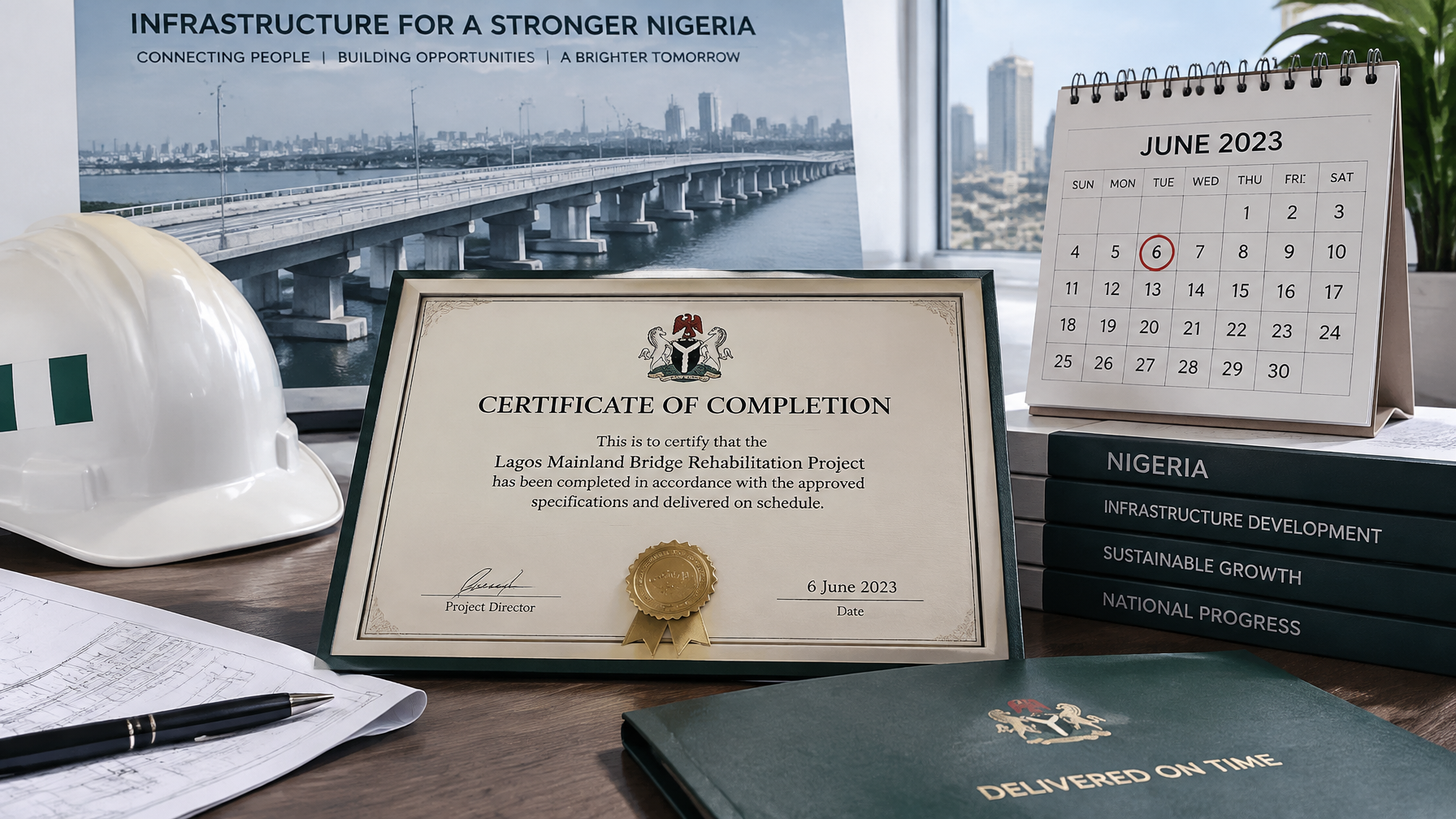
Delivering on Schedule: A Notable Achievement
According to the REA's certificate of completion, International Consolidated Contractors Offshore SAL executed the full scope — design, supply, installation, testing and commissioning — in line with initial schedule, bringing the system into commercial use on 6 June 2023 at $21,626,632.83. In a country where delayed and abandoned public projects have eroded confidence, on-time delivery is itself a notable benchmark.
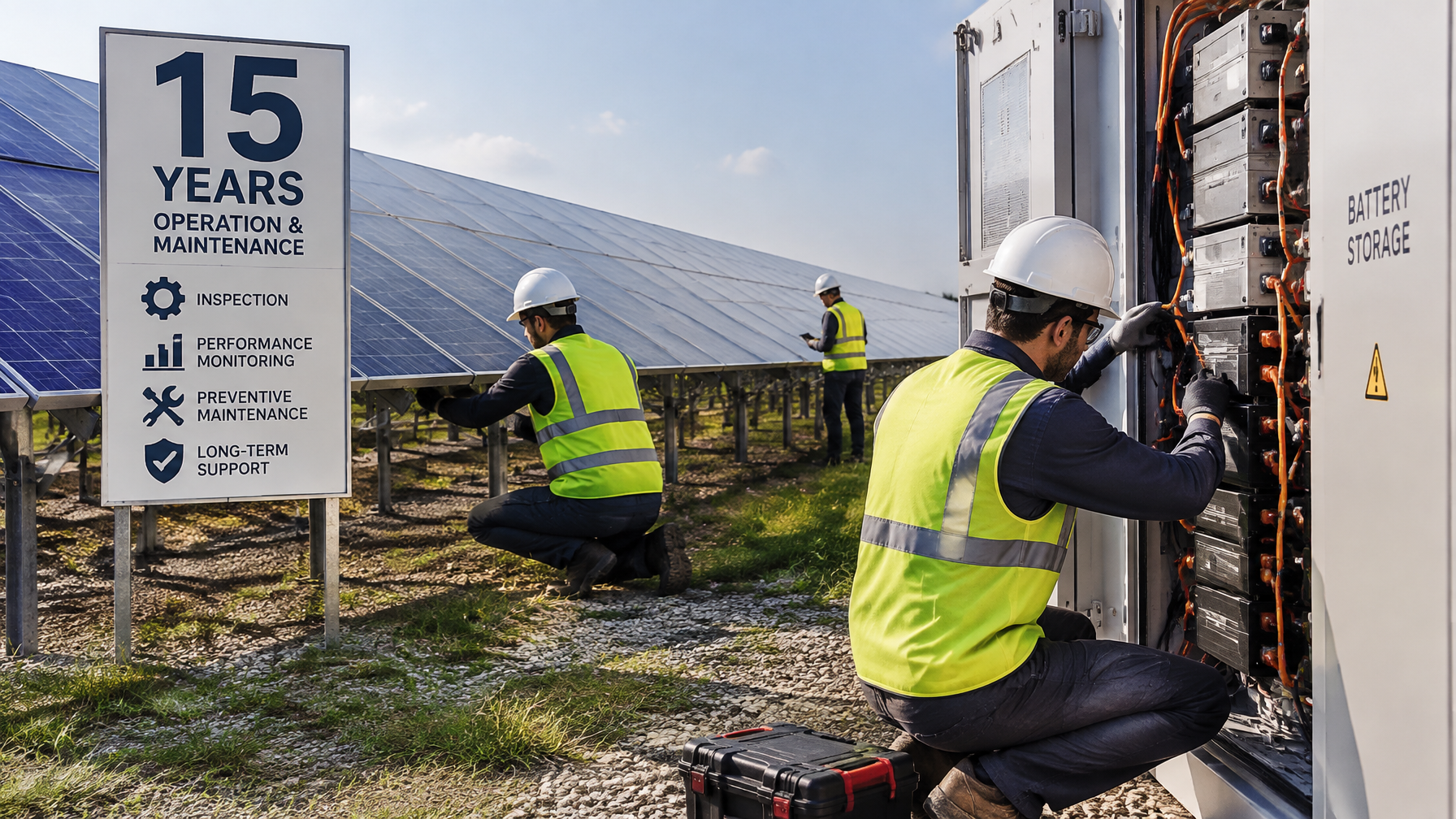
Solving the Maintenance Problem: 15-Year O&M
Perhaps the most important policy lesson lies after commissioning. Many public projects fail not because they were poorly built, but because no one was responsible or funded to maintain them. Sabon Gari addresses this directly through a 15-year operation and maintenance contract that includes all projected spare parts. Accountability stays with the builder — strong incentive to build well. The REA reports the plant has run without technical problems since start-up. Sustaining that record over fifteen years will be the real test for Nigeria's procurement approach.
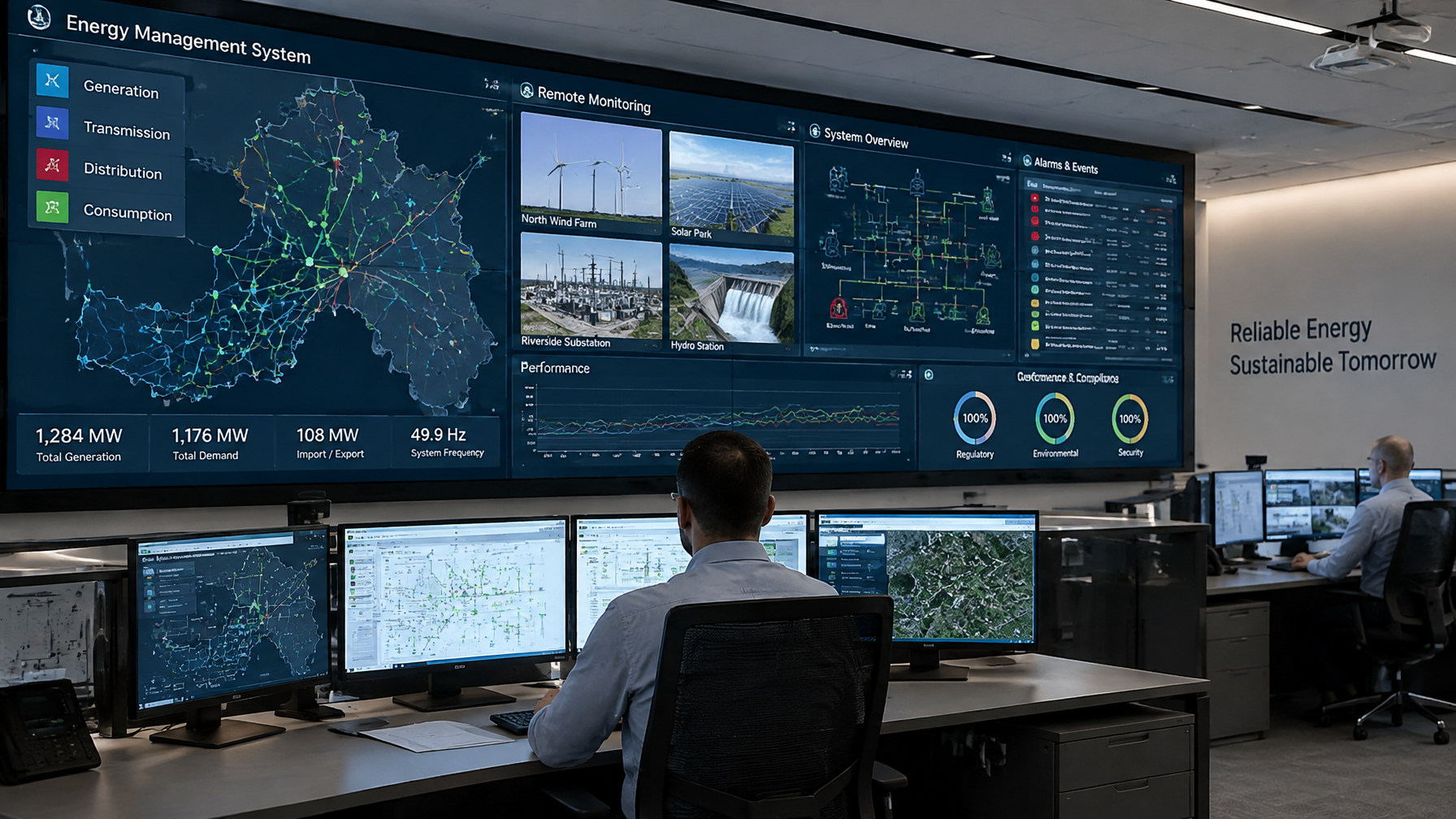
Transparency Built Into the System: SCADA & Metering
The monitoring architecture — remote SCADA control, advanced metering infrastructure and round-the-clock camera monitoring — has governance value beyond engineering. Real-time data makes performance visible, allowing the agency, development partners and potentially the public to verify the system is delivering. Accurate metering also supports sustainable revenue collection, essential without constant public subsidy.
A Shifting Regulatory Landscape: Electricity Act 2023
The project arrived at a pivotal moment. In the same month it entered service, the Electricity Act 2023 was signed into law, giving states greater authority to develop and regulate their own electricity markets. That opens the door for state governments, including Kano, to build on models like Sabon Gari, pairing federal programmes with state planning, regulation and private investment.
Questions for Policymakers
- Tariffs must balance cost recovery with affordability for small traders
- Clear rules needed on ownership and handover once maintenance period ends
- Local technical capacity should be developed for Nigerian engineers to operate/maintain
- Structured engagement with market associations to ensure users see infrastructure as theirs to protect
A Model Worth Scaling
Sabon Gari shows a targeted, well-specified and properly maintained energy project can deliver reliable power to a major commercial centre without waiting for the grid. For a country with hundreds of large markets and industrial clusters, the implications are significant. If lessons — clear scope, disciplined delivery, long-term maintenance and transparent monitoring — are applied consistently, Nigeria's energy transition could move considerably faster, one market at a time.
Policy Lessons At-A-Glance
| Lesson | Sabon Gari Example |
|---|---|
| On-time delivery | 6 June 2023 commercial operation per schedule — $21.6M (rare for public projects) |
| Maintenance | 15-year O&M with spares — accountability stays with builder |
| Transparency | SCADA + AMI + cameras — real-time performance visible for verification |
| Regulatory | Electricity Act 2023 — states can now replicate with state-level regulation |
Frequently Asked Questions
Q: Why is on-time delivery so significant?
In Nigeria, delayed/abandoned projects have eroded confidence. Completing $21.6M scope on schedule provides a benchmark.
Q: How does 15-year O&M solve maintenance failures?
Most projects fail after commissioning due to lack of funded maintenance. Keeping accountability and spares with the builder incentivizes quality.
Q: What must happen to replicate Sabon Gari?
Affordable but cost-reflective tariffs, clear handover rules, local capacity building, and engagement with trader associations.
Based on REA certificate of completion for Sabon Gari 15MWp hybrid 6 June 2023 under NEP. Consult rea.gov.ng for latest status.

Comments
Post a Comment